
Steel is Immortal
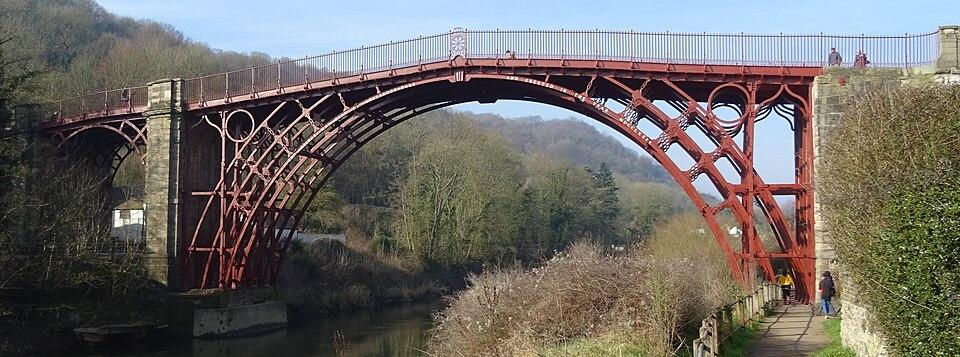
Once made from iron ore, or in NZ, ironsand, steel actually does last forever, unchanged atomically, and can be remade into any number of products, with its properties unchanged. While this is true of some other metals, e.g. in the building sector of aluminium, no non-metal material can claim this. In spite of “recycled” plastic, glass, paper, concrete and so on, all of these lose quality during the process and only exist as lower quality materials for one or two cycles before being uselessly degraded and turning into pollution.
In New Zealand locally made steel is all currently brand new, made from ironsand (itself the most sustainable raw steel production in the world) but once made, it actually lasts forever. At the end of its long life, it is sought after on the world market and melted down, using much less energy than the original process, and emerges in whatever form just like new. The new EAF facility at NZ Steel will go further than NZS does now, and recycle scrap, as do many other facilities globally. This will mean that NZ made steel can spend its entire very long life all in New Zealand.
True of course that the very small amount of rust that washes or falls on the ground is lost (but is still iron oxide). Rust on scrap turns back into steel during processing.
Since there is a world shortage of steel, as well as making new steel, the global industry consumes all the scrap it can get. Because of its long life, recycling alone cannot fill the demand. Such is the process that the majority of all steel ever made (since the 1820s) still exists somewhere, and will continue to live forever. Your imported steel knife may contain a very small fraction of steel made in 1850. Indeed this may itself contain iron made 3000 years ago. In future (centuries) this will be true of your NZ made steel roof.
In this section of the COP we look at the varied aspects of sustainability of NZ made steel.